


What were the key developments in Data and Artificial Intelligence this month?
November highlighted Europe’s efforts to strengthen its position in artificial intelligence while addressing the challenges of building a secure, competitive and sustainable AI ecosystem. As adoption accelerates, organizations are increasingly focusing on cybersecurity, digital sovereignty, investment risks and the infrastructure needed to support AI growth. These developments raise important questions about Europe’s technological independence and the long-term sustainability of enterprise AI strategies.
This month’s news reflects these priorities. A cyberattack on the European Commission highlights emerging security threats, while EU leaders are seeking ways to strengthen Europe’s AI competitiveness. Meanwhile, concerns about excessive AI investment are prompting businesses to reassess their strategies, European lawmakers are pushing to reduce dependence on foreign cloud providers, and growing energy demands are raising environmental concerns about the expansion of AI data centres.
1. European Commission confirms cyberattack, says hackers used AI tool
The European Commission has confirmed that it was targeted by a cyberattack involving a publicly available artificial intelligence tool. The first signs of the attack were detected on October 22, and several internal services were temporarily taken offline as a precaution. The incident reportedly disrupted administrative systems, including payroll, leave management and translation services.
According to the Commission, the attack involved an AI-assisted cyber campaign, although the investigation is still ongoing. Officials have not identified the attackers or their motivations, and there is currently no evidence of a widespread data breach affecting Commission staff. The incident highlights how AI-powered tools are becoming part of the evolving cybersecurity threat landscape.
Why it matters for your business
AI is changing the way cyberattacks are carried out, potentially allowing attackers to identify vulnerabilities and target systems more efficiently. For businesses, this reinforces the need for strong cybersecurity measures, continuous monitoring and effective incident response processes. Protecting critical applications and ensuring operational continuity are essential as AI-powered threats become more sophisticated.
Read more.
2. EU leaders seek to tackle challenges at first ever AI summit
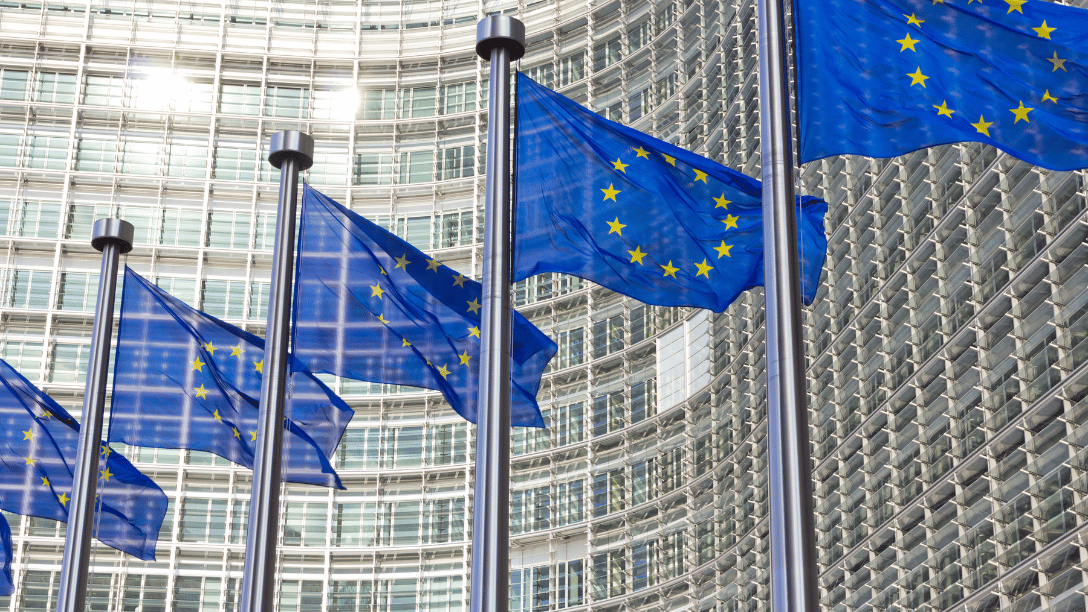
European Union leaders gathered in Dublin for their first dedicated summit on artificial intelligence, focusing on how Europe can strengthen its competitiveness against the United States and China. Discussions addressed investment challenges, regulatory complexity and the need to accelerate the development of European AI technologies and infrastructure.
The meeting also highlighted obstacles facing the EU’s ambitions, including difficulties meeting semiconductor production targets and financing planned AI gigafactories. European leaders are seeking ways to support innovation while establishing safeguards for advanced AI systems, as concerns grow about Europe’s ability to keep pace with global technological developments.
Why it matters for your business
Europe’s AI strategy will influence the regulatory, technological and investment environment in which businesses operate. Efforts to expand AI infrastructure, encourage innovation and reduce technological dependencies could create new opportunities for European organizations. Staying informed about these developments can help businesses anticipate policy changes, assess investment opportunities and align their AI strategies with Europe’s evolving priorities.
Read more.
3. The AI bubble can wait, but your exit plan can’t
Despite growing concerns about excessive investment in artificial intelligence, Forrester believes an immediate collapse of the AI market is unlikely. According to its analysis, approximately 90% of AI infrastructure investment comes from financially strong technology companies using their own cash flow. However, spending on computing infrastructure continues to grow faster than the measurable economic benefits generated by AI.
Forrester warns that a potential market correction could still affect businesses through changes in supplier pricing, service availability and contractual commitments. Organizations relying heavily on a limited number of AI providers could face operational and financial challenges if suppliers reduce investments, discontinue services or experience financial difficulties.
Why it matters for your business
As AI investments grow, businesses need to look beyond technological capabilities and assess the financial sustainability of their AI strategies. Measuring business value, evaluating supplier stability and avoiding excessive dependence on individual providers can help reduce long-term risks. Organizations should also prepare contingency plans to maintain operational continuity if market conditions or supplier relationships change.
Read more.
4. EU lawmakers push to reduce Europe’s dependence on foreign cloud providers
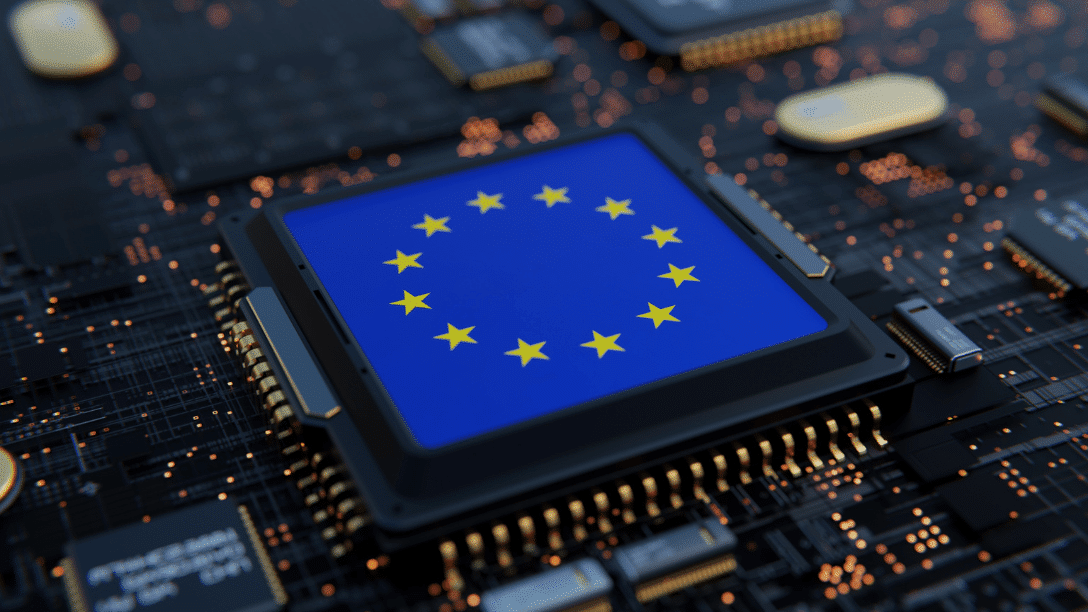
European lawmakers are calling for stronger measures to reduce the EU’s dependence on foreign cloud providers and strengthen its technological independence. A draft parliamentary report on the proposed Cloud and AI Development Act calls for common European standards, greater investment in cloud and AI infrastructure, and increased support for European technology companies.
The initiative reflects growing concerns about Europe’s reliance on non-European providers for critical digital services. According to the European Commission, three non-European hyperscale cloud providers control more than 70% of the European cloud market. Lawmakers are also proposing measures to encourage public authorities to use European cloud services and accelerate the development of new data centres.
Why it matters for your business
Digital sovereignty is becoming an increasingly important consideration for European organizations. Reducing dependence on a limited number of foreign cloud providers could strengthen control over sensitive data, improve operational resilience and support compliance with European requirements. Businesses should assess their cloud strategies, evaluate potential dependencies and consider how emerging European regulations could influence their technology choices.
Read more.
5. AI datacentres plan on-site power stations on huge scale despite climate risks, research reveals
Artificial intelligence data centres are increasingly considering building their own gas-fired power stations to meet growing electricity demands. According to research by BloombergNEF, planned data centre projects across the United States, the United Kingdom and mainland Europe include proposals for 181 gigawatts of on-site gas-fired generation capacity, largely because of delays in connecting new facilities to national electricity grids.
The research warns that these projects could significantly increase greenhouse gas emissions if implemented. Although developers describe on-site gas generation as a temporary solution while waiting for grid connections, experts caution that the facilities could remain operational for years. With AI data centre electricity demand expected to increase substantially over the next decade, energy availability and environmental impact are becoming major challenges for the industry.
Why it matters for your business
The rapid expansion of AI infrastructure is increasing pressure on energy networks and raising questions about the environmental impact of digital technologies. For businesses adopting AI, energy efficiency, infrastructure location and sustainability should become integral parts of their technology strategies. Choosing efficient cloud services and considering the environmental footprint of AI workloads can help organizations manage operating costs and support their sustainability objectives.
Read more.











Comments (0)
Your email address is only used by Business & Decision, the controller, to process your request and to send any Business & Decision communication related to your request only. Learn more about managing your data and your rights.